
Path To Content
Turning the audience I had built on LinkedIn into an owned content ecosystem that could compound through search, email and brand authority.
The background
I was freelancing as a content marketer and writer during 2022–24.
By Q2 2023, I had grown an audience of 10K+ people on LinkedIn and I started thinking beyond social content. I wanted to build an owned platform that could do two things well:
- Create a sustainable channel for generating leads for my business
- Give my audience a deeper place to learn about content marketing
That became Path To Content, a content marketing blog and website built to generate me leads from small-business owners, founders and startups.
The challenge
The website couldn’t just be a collection of blog posts. I needed to build the foundations that would make content discoverable, useful and commercially relevant.
The project began with understanding the audience and competitors, developing a search strategy, creating content consistently and connecting the website with my broader marketing ecosystem.
The goal was to create a system where content could build visibility, authority and eventually business opportunities over time.
What I built
After the initial research, website development, design and technical setup, Path To Content launched in November 2023. I worked across the entire brand and growth ecosystem rather than treating SEO, content and distribution as separate activities.
-
Audience & competitor research
I started by understanding who I wanted to reach, what they were looking for and how existing content businesses were positioning themselves. This helped shape the site’s content direction, positioning and opportunities for differentiation.
Two sides of audience were worth noting: the customers I was targeting, and the audience I wanted to build who would use the blog as a knowledge hub to learn about content marketing. Though different, there was an intersection: the second audience would fuel the growth in leads from the first. The job was then to create a content and SEO strategy that catered to both audiences and solved both goals while staying one coherent brand.
-
Keyword & SEO strategy
I built the SEO foundation around keyword research, search intent and opportunities where a focused content site could compete. This included both technical and on-page SEO, alongside an approach to off-page authority building.
Also important was using a strategy that would help me rank a new website sooner, without waiting 6–12 months for search engines to start ranking the new site.
-
Content strategy & topic clusters
Rather than publishing disconnected articles, I developed topic clusters around the questions and problems most relevant to the target audience. The objective was to build topical depth while creating multiple entry points into the website through organic search.
Topical authority also meant investing in the long-term domain authority of the website, by showing search engines exactly what I work on.
-
Content production system
I owned the content workflow end-to-end, from creation and editing to briefing, publishing and optimisation. The focus was not simply on producing more content, but on creating a repeatable system that could support consistent publishing.
The blog worked on a weekly publishing cadence that gave way to 3–4 social media posts and 1–2 newsletter issues to fuel the content flywheel.
-
Distribution & audience growth
SEO was one part of the strategy. I connected the website with the audience I had already built through LinkedIn, newsletters and lead magnets, creating multiple paths for people to discover and engage with the brand. This is where the concept of the brand ecosystem came into play.
-
Authority building
I worked on growing the website’s presence beyond its own content through backlink acquisition, domain authority and broader brand visibility. The aim was to make Path To Content a recognisable resource within its niche, not just another content website.
I put in place organic backlink acquisition initiatives, which included collaborating with other niche blogs and publications. This resulted in backlinks and collaboration with brands like HubSpot and publications like Better Marketing.
-
Measurement & optimisation
I tracked performance across search visibility, traffic, audience growth and brand presence to understand what was working and where to invest further.
Content wasn’t treated as a one-time asset. I also built a process around refreshing and optimising existing content as performance and search opportunities evolved.
The growth engine
The project eventually became a connected marketing ecosystem:
- Website
- Organic Search
- Newsletter
- Lead Magnet
- Business
Each channel had a role.
- LinkedIn helped create awareness and distribute ideas.
- The website gave those ideas a deeper, searchable home.
- SEO created a path to discover the brand beyond my existing audience.
- The newsletter and lead magnets created opportunities to build an owned relationship.
The result was more than a blog. It became a practical testing ground for how content, SEO, brand and audience acquisition could work together.
Tools used
- WordPressWebsite and content publishing
- Google Search ConsoleSearch performance, indexing and keyword insights
- Google AnalyticsWebsite traffic and audience measurement
- Google Keyword PlannerKeyword research and search demand analysis
- AhrefsKeyword research, competitor analysis, backlink tracking and domain authority
- CanvaBrand assets, lead magnets and content design
- LinkedInAudience building, content distribution and campaign-led acquisition
- Kit (formerly ConvertKit)Newsletter distribution and audience nurturing
Results
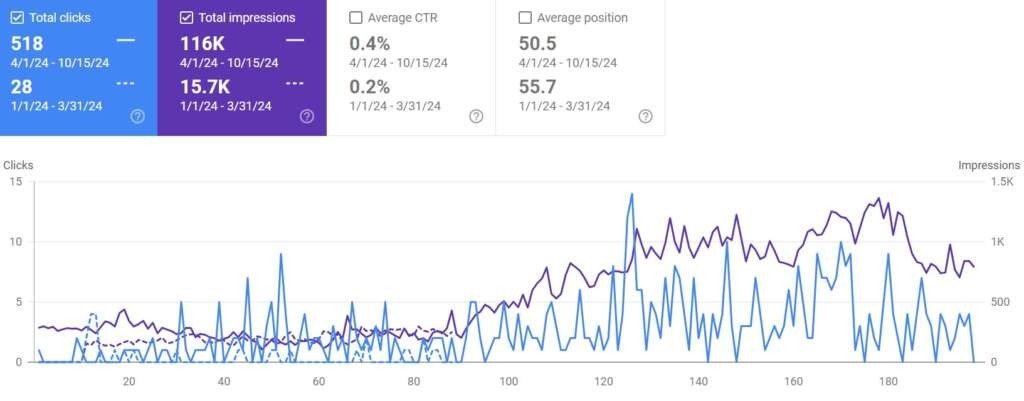
The project helped me build and validate a content-led growth engine across multiple channels.
Organic visibility
-
0 → 33K+
Monthly impressions
-
0 → 200+
Monthly website traffic
-
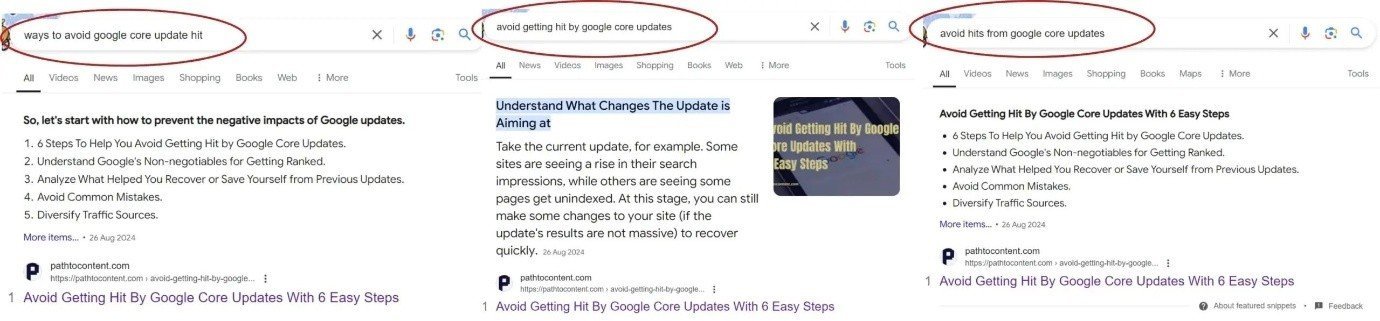
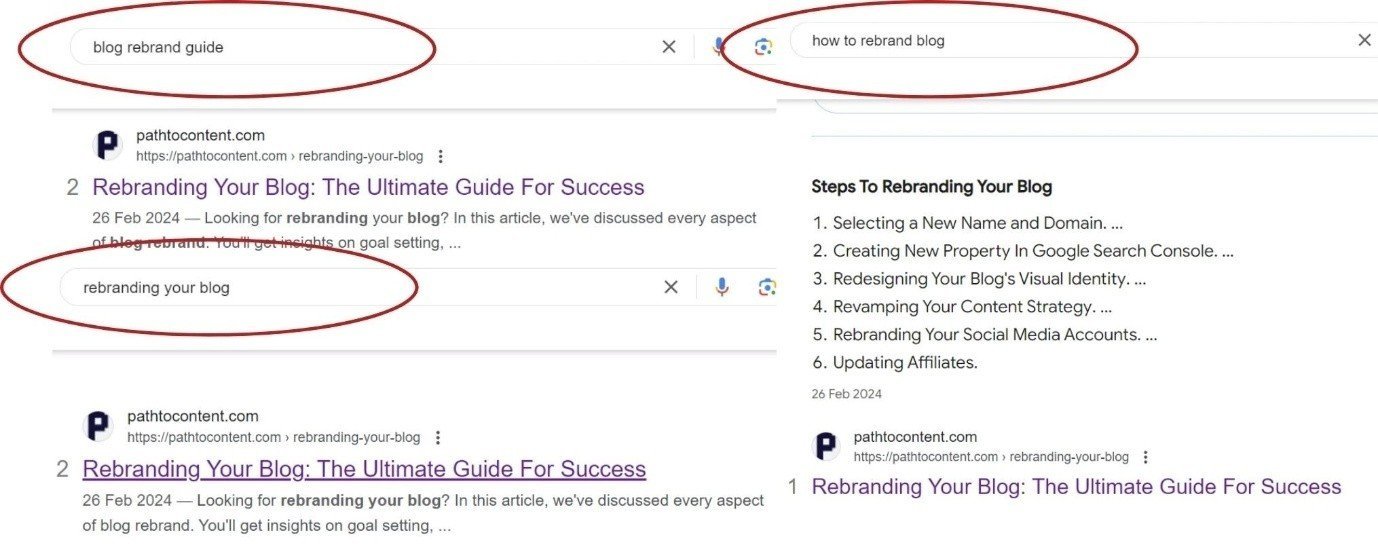
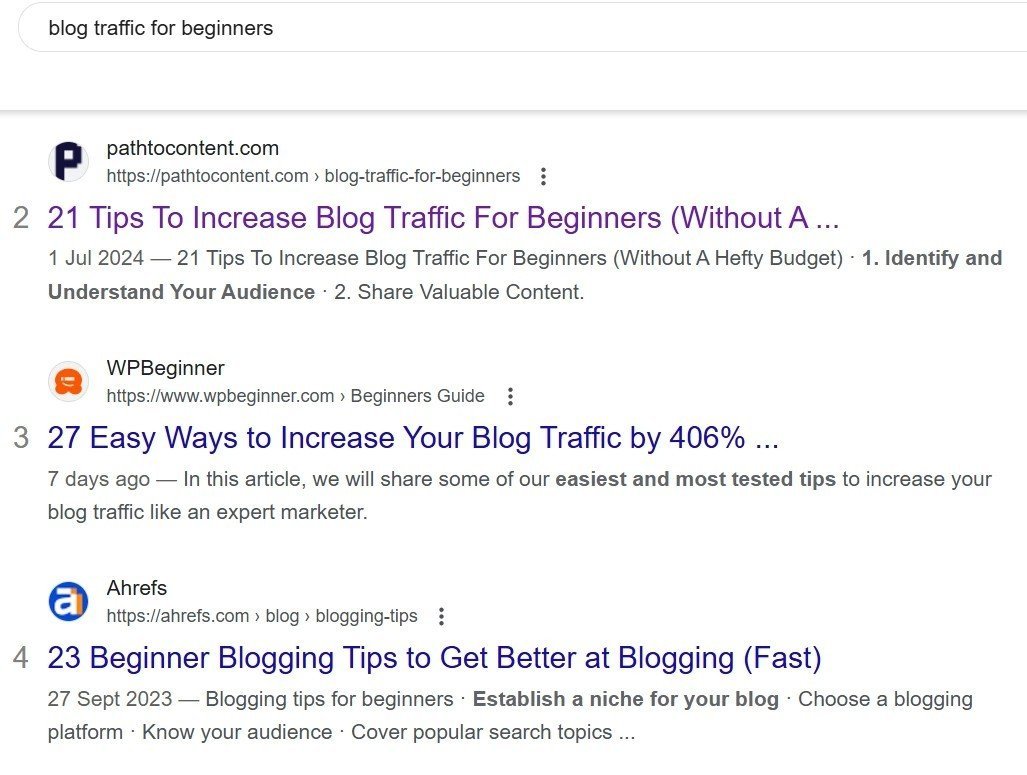
#1–#10
Multiple keywords ranked, with several optimised into the top #3 spots
Audience & brand awareness
Built an audience across LinkedIn, the website and newsletter, extending the brand beyond a single social platform.
Lead generation
Generated 3 major B2B leads over a period of 6 months.
SEO & authority
-
DA 16
Domain authority reached within one year
-
HubSpot
Backlink earned, alongside publications like Better Marketing
What I learned
Path To Content started as a way to generate leads for my business and give my LinkedIn audience somewhere deeper to go.
It became a hands-on lesson in building a marketing system from the ground up: from audience research and positioning to SEO, content, distribution, demand generation and measurement.
More importantly, it changed how I think about content.
Content works best when it isn’t treated as an isolated deliverable. The strongest results come when the story, the audience, the channel and the business objective are all working towards the same thing.
That thinking now sits at the centre of how I approach brand and go-to-market marketing.